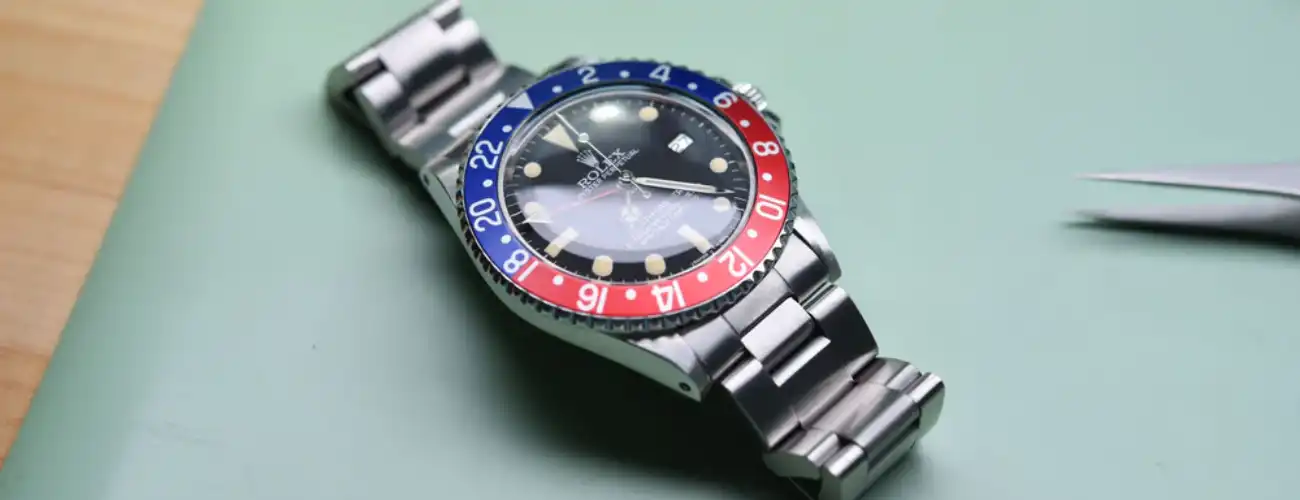
If you’ve ever owned a Rolex, you’ll know that getting the perfect fit is part of the experience. These watches aren’t just about craftsmanship and heritage, they’re designed to be worn comfortably. Whether it’s a new purchase or a vintage piece, the bracelet might need adjusting.
You could take it to a certified jeweller, but sometimes, doing it yourself is faster and just as precise, if you know what you’re doing. If you want your Rolex to feel like it was made for your wrist, here’s how to make that happen.
Why Watch Bracelet Sizing Matters
A Rolex that doesn’t fit properly doesn’t just look off, it can also cause wear to both the bracelet and your wrist. Too tight, and it’ll dig into your skin. Too loose, and it slides around uncomfortably, especially during daily tasks.
Getting the right fit isn’t just about comfort. It helps preserve the structure of the bracelet, particularly for stainless steel models like the Oyster or Jubilee, which are common across many Rolex lines.

In cooler months, your wrist size may shrink slightly, while in warmer temperatures, it can swell. That’s why some models like the Rolex Submariner or GMT-Master II come with micro-adjustments or Easylink extensions. However, not every Rolex features these. So, removing a link or two might be your best bet for that tailored fit.
Tools You’ll Need Before You Start
You don’t need a full watchmaker’s bench to get started. But using the right tools makes a massive difference. Several online retailers and high street shops stock affordable watch toolkits. Make sure you have:
- A spring bar tool or pin pusher
- A small precision screwdriver (typically 1.0mm)
- A watch holder or soft cloth to rest the watch on
- A jeweller’s loupe or good lighting to clearly see the screws
- Thread-locking compound, if you want added security when refitting the screws
Understanding Your Bracelet Type
Rolex bracelets vary, and how you remove links will depend on the specific type.
- The Oyster bracelet, for example, is common on models like the Daytona, Submariner, and Datejust. It uses screws rather than pins, which makes link removal more straightforward.
- The Jubilee and President bracelets also use screws, but the smaller, more flexible links can make handling trickier.
- Modern Rolexes (post-2000) almost always come with screw-in links.
- Vintage models, particularly those bought from second-hand dealers or auctions, might still use pins or more delicate components.
It’s important to know what you’re working with before loosening anything.
Step-by-Step: Removing Rolex Links Safely
- First, place the watch face-down on a soft, clean surface. A microfibre cloth works well to avoid scratches.
- Choose which side of the bracelet you’ll remove the link from. For balance, it’s best to remove from both sides of the clasp if you need to take off more than one.
- Use your screwdriver to carefully loosen the screws holding the link in place. Turn slowly and apply steady pressure to avoid stripping the thread.
- Once loosened, gently pull out the screw and slide the unwanted link away. Set aside both the link and the screw, don’t misplace them.
- Reattach the bracelet by lining up the remaining links and rethreading the screw. If you have thread-locking compound, a tiny dab on the screw will help it stay in place, especially useful for active wearers. Make sure the screw is tight but not forced.
- Finally, give your Rolex a quick wipe with a clean cloth and try it on. If it still feels off, you may need to repeat the process and remove another link.
When to Seek Professional Help
While it’s possible to do this yourself, not every situation calls for DIY. If your Rolex is a rare or vintage model, especially if it holds sentimental or financial value, it’s better to let a certified service centre handle the adjustment.
These technicians are trained to handle intricate models without damaging original parts. They also clean the bracelet during the process, which might be a good option if your watch needs a bit of a refresh.
How Often Should You Adjust Your Rolex?
Most people only need to adjust their Rolex once unless they’re switching between wrist sizes frequently. But if you alternate between metal and leather straps or wear your Rolex daily, you might notice slight differences over time.
Temperature and humidity can fluctuate enough between seasons to make your Rolex feel a bit tight or loose depending on the month. If your watch has the Easylink system, that alone might be enough to manage these changes. If not, occasional link adjustments will keep your watch feeling just right all year round.

Aftercare Tips Once the Links Are Removed
Once you’ve removed the links, don’t just toss them into a drawer. Keep them in a small, labelled bag or case. If you ever decide to sell or gift the watch, the buyer will appreciate having the original parts included.
You can also take this opportunity to clean your bracelet. Warm water, a soft brush, and a mild detergent are usually enough. Make sure to dry the bracelet completely before putting it back on.
Avoid over-cleaning. Once every couple of months is enough for regular wear. Too much cleaning can wear down the metal and any protective coatings.
Wear Your Rolex With Confidence
A well-fitted Rolex isn’t just about looks, it’s about confidence. When your watch feels secure, it becomes part of your routine, not something you’re constantly adjusting. Whether you’re in the office, at a wedding, or just heading to the shops, it should sit snugly and comfortably.
Removing links yourself is doable with a little patience and the right tools. But if you’re ever unsure, don’t risk it. Professional help is widely available, and peace of mind is worth more than a quick fix. Treat your Rolex with the care it deserves, and it’ll continue to serve you for decades.