
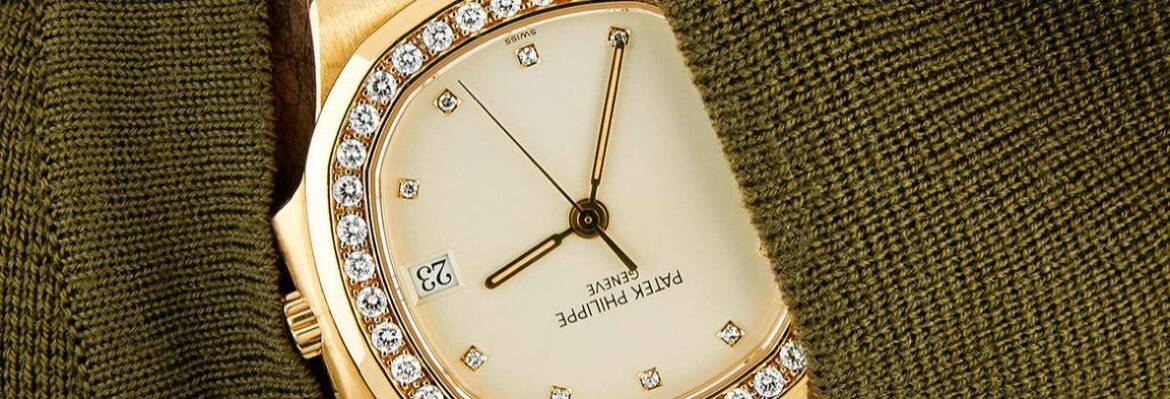
Gold vs. Silver Watches: What’s More Desirable?
When it comes to watches, gold and silver are two of the most popular materials used in their construction. Both have unique properties that make them desirable for different reasons, and both can be found in a wide variety of styles and designs. But when it comes time to decide which one is more desirable, there’s no clear answer – it depends on personal preference.
In this article, we’ll take a look at the pros and cons of each material so you can make an educated decision about what type of watch is right for you. We’ll also discuss which types of occasions might call for either gold or silver watches, as well as how to care for these precious metals over time. By the end, you should have a better understanding of why gold vs. silver watches could be more desirable depending on your individual needs!
Tell Me About Gold Watches…
Gold watches have long been considered a sign of wealth and luxury, as gold is an expensive metal. Gold watches can be found in classic or modern styles and come in a variety of metals including rose gold, yellow gold, white gold, and two-tone designs. Gold watches are also more scratch resistant than silver ones and tend to keep their value over time better than other materials.
Tell Me About Silver Watches…
Silver watches, on the other hand, offer a more contemporary look – they’re perfect for everyday wear or formal occasions. Silver is also lighter than gold which makes it more comfortable to wear throughout the day. While silver isn’t as durable as gold and may require frequent polishing to maintain its shine, it’s still an attractive material that many people find desirable.
Choosing Gold vs Silver
When it comes to choosing between gold vs. silver watches, it’s really a matter of personal preference and budget. Both metals offer unique looks that are beautiful in their own right, so the decision ultimately comes down to which one speaks to you more. For formal occasions, gold is usually preferred as it adds an extra level of sophistication and class to any outfit. Silver, on the other hand, is great for everyday wear because of its lightweight design and contemporary look.
No matter what type of watch you choose, it’s important to take proper care of your watch over time. Gold watches, for example, should be kept away from harsh chemicals such as chlorine or detergents as these can cause discoloration. Silver watches should be polished regularly to maintain their shine, and both metal watches should be stored in a dry place when not in use to prevent rust and other corrosion.
Which Type of Watch Has More Design Potential?
The answer to this question depends on personal preference and the type of watch being considered. For example, a mechanical watch has more design potential than a quartz watch because it contains an intricate array of moving parts that can be customised in many different ways. On the other hand, a digital watch offers more flexibility when it comes to creating unique designs, as its display and features are easily customizable with software. Ultimately, the choice between which type of watch has more design potential comes down to individual taste and needs.
What are the Advantages of Buying a Gold or Silver Watch?
Gold and silver watches have several advantages that make them a desirable item for many collectors and buyers. Firstly, they are timeless pieces of jewellery that will never go out of style. A gold or silver watch will keep its value over time, making it an excellent investment. Secondly, these watches often feature intricate designs and craftsmanship, which add to their aesthetic appeal. Thirdly, some gold and silver watches come with precious stones embedded in the design, adding to their luxurious feel and look. Finally, these types of watches also signify wealth and status, making them highly sought-after items. All in all, gold and silver watches can be a great addition to any wardrobe or collection due to their timeless beauty and long-term value!
Are There Any Differences in Price Between Gold and Silver Watches?
The price of gold watches tends to be higher than that of silver watches. Gold is a rare and precious metal, making it more valuable than silver. Gold watches will generally cost more due to the high cost of the materials and craftsmanship used to make them. However, there are some exceptions, such as certain designer brands or limited-edition pieces, which may require a higher price for their rarity. Silver watches can also vary in price depending on the design and construction quality, but they tend to be much less expensive than gold watches overall.
Is There Any Difference in How Long Gold and Silver Watches Last?
The longevity of gold and silver watches largely depends on the quality of the metal used. Both gold and silver are durable metals, but if a watch is made with low-quality materials, it may not last as long as one made with higher-quality metal. Generally speaking, at least for watches that use high-quality materials, both gold and silver should last a lifetime if properly cared for. The most important factor in prolonging a watch’s life is regular maintenance, regardless of whether it’s made from gold or silver.
In terms of skin sensitivity, there are some differences between gold and silver watches. Gold does not cause an allergic reaction like some other metals such as nickel can, so many people find gold to be more comfortable to wear on the skin. Silver, on the other hand, is more prone to tarnishing and can sometimes cause irritation or discolouration of the skin.
Ultimately, when it comes to gold vs. silver watches, both have their benefits and drawbacks. Gold is typically seen as more luxurious and desirable but requires regular maintenance, while silver is low-maintenance but may cause skin sensitivity issues for some people. It is up to each individual to decide which metal best suits their needs and preferences.